
The Fen Witches of Almelo


Anyone walking through Almelo today, among the shopping streets and the water of the Aa, would hardly guess that this was once one of the most witch-ridden corners of Twente. Yet for centuries the people of Almelo told each other that the neighbouring village of Vriezenveen had been founded by three banished witches, and jeered at the fen dwellers that they could sail across the water on a white sod of peat. Behind that taunt lies a whole world of legends clinging to the lordship of Almelo: a vanished elm forest, a castle that appears in a will as early as 1297, a haunted house on the road to Borne, and a belief in the evil hand that only died out in the twentieth century.


1 An elm wood, a castle and a pail of butter
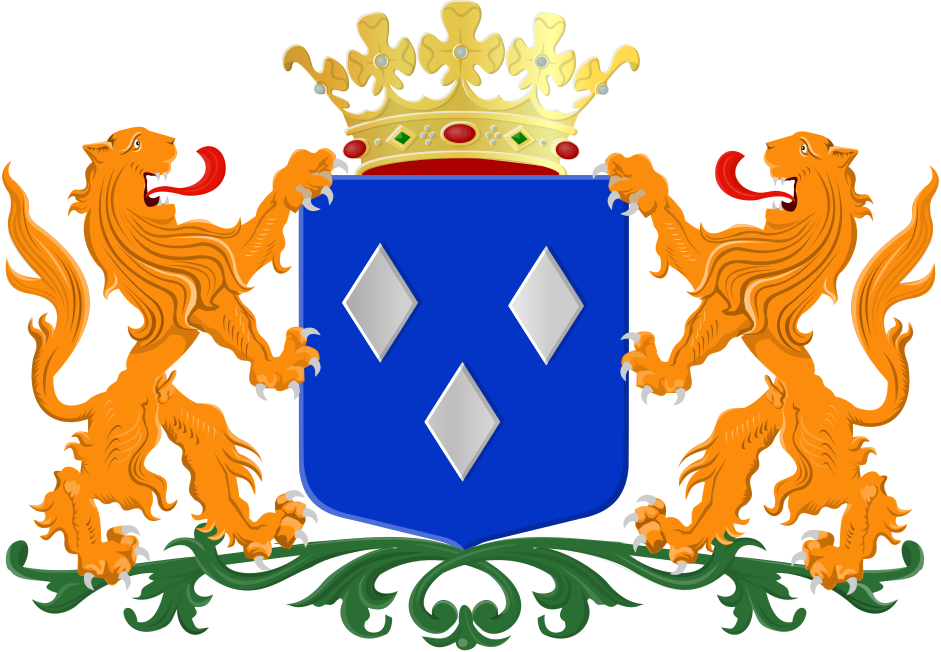
Where the town now stands, tradition says, there once rustled a vast elm forest, an outlier of the mighty woods of Twente. From that forest, the olm-lo, Almelo is said to take its name. The legend collector J.R.W. Sinninghe recorded that explanation in 1936 in his Overijselsch Sagenboek, along with dozens of other tales from the region. What is certain is that a castle stood early on in the wet land: in his will of 6 June 1297 Egbert van Almelo settled the inheritance of his castrum, his stronghold by the settlement. Out of that house grew the lordship of Almelo, a little realm within Twente, which until 1795 consisted of the town of Almelo, the bailiwick of Almelo and the village of Vriezenveen.
That last village was a curious colony. In 1364 Evert van Hekeren, lord of Almelo, issued a charter for the free Frisians he had admitted to the great peat bog north of his castle. They were allowed to reclaim the Almelerveen, forty farms wide, and paid for it a rent that was settled in kind for centuries: every year on Saint Martin’s day, one pail of butter, Zwolle measure, to be delivered at Huis Almelo. Farmers from the far north, in the middle of the Twente fens: that called for stories.
2 Three banished witches and the Vennehakse
For how those Frisians had ended up there, the common tongue of Almelo knew better than the charters. Vriezenveen, people said, had been founded by three witches banished from Friesland who had settled on the lonely bog. The village was notorious throughout Twente for its witches; well into the nineteenth century women were pointed out there who were «van den aord», women who could work magic. In Almelo the fen dwellers were jeered at as Vennehakse, «die op ne witten tjörf oaver de Blanke Mjèr konnen schippern»: fen witches who could sail across the Blanke Meer on a white sod of peat.
A child who had to pass the cottage of such a woman ran by with a pounding heart. Her apples were feared above all: they were full of venom and after a short while turned into warty toads. Anyone who ate one all the same got violent cramps in the belly, and only the old, well-tried remedy of eight egg yolks with half a gill of brandy would bring relief. Careful people cut a suspect apple open first, for a witch’s apple, as everyone knew, has no core. So the country around Almelo wove its fears and its mockery into a web that stayed stretched between town and fen for hundreds of years.
3 A haunted house, a pancake and the evil hand
More shadows hung about the town. On the high road from Almelo to Borne, below the Bavinkel, stood a country house known throughout the neighbourhood as the Haunted House; Sinninghe listed it among the many haunted houses of Overijssel. Kindlier is the legend of the count of Almelo, who grew mightily hungry while hunting near Vriezenveen and stepped into the house of a farmer’s wife who was baking pancakes. He had her bake two thick bacon pancakes with butter and eggs, one for himself and one for his huntsman, and in gratitude gave her the little farm, which has been called De Pannekoek ever since.
And the belief in the evil hand? It proved tougher than many thought. When Sinninghe closed his book of legends in the nineteen thirties, he could report in a footnote that shortly before, in 1935, a man in Almelo had come to the police to complain that he was being accused of witchcraft. In the pillow of a sick child a wreath of feathers had been discovered, to the bystanders a sure proof that the evil hand was at work. Huis Almelo still stands meanwhile, inhabited by the counts Van Rechteren Limpurg, and whoever walks past it may well think of that long procession of witches, ghosts and fen farmers with their pail of butter, all of whom belonged to this one house.
- The Captured Cloud of the Enschede Esch · Enschede
- The Nun of Singraven · Denekamp
- The White Lady of the Enterweg · Rijssen

Heimweer.be · Europees Erfgoed Bewaard

