
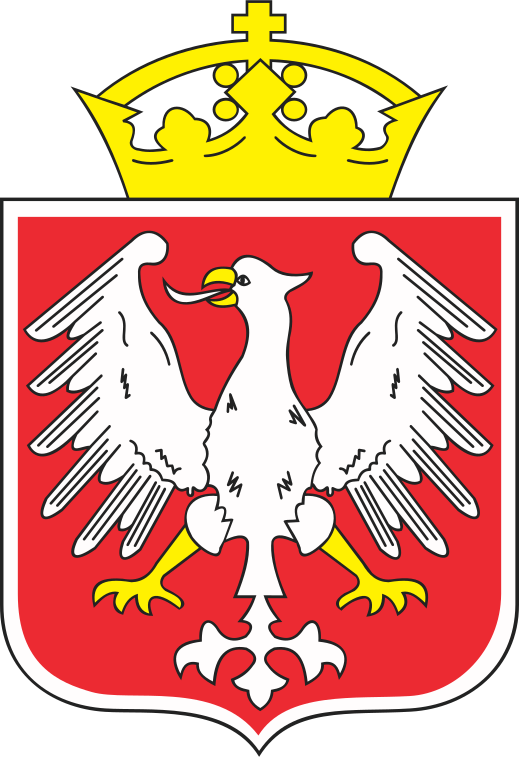
Lech and the Eagle’s Nest


Why is the oldest capital of Poland named after a nest? The medieval chroniclers had a story for it: here Lech, the forefather of the Poles, halted after a long journey, and here he stayed.


1 Three brothers from Pannonia
Pannonia, so the old Greater Poland chronicle says, is the mother and origin of all the Slavic peoples. Pan, prince of the Pannonians, had three sons: Lech, the eldest, Rus and Czech. From them come the three realms of the Lechites, the Ruthenians and the Czechs, and each people bears the name of its forefather.
Jan Długosz, who told the story again a century and a half later, knows only Lech and Czech as brothers; Rus he calls a grandson of Lech, though some, he writes, hold Rus to be a brother as well. When the people grew so numerous that the land seemed too small and men began to fight over borders and villages, Lech and Czech resolved to leave their old nest and seek new dwellings elsewhere. With their followers, their kin and all their goods they went west, for in the east other peoples already lived.
2 Czech stays, Lech moves on
In the land watered by the Morava, the Eger, the Elbe and the Vltava, Czech found the soil so fertile and the air so mild that he begged his elder brother to leave him that land as his inheritance. Lech agreed. Czech founded Prague on the Vltava and Wielegrad on the Morava, and the land has borne his name ever since.
Lech took leave of his younger brother and went on with all his followers, his servants and his wagons across the wooded mountains once called the Hercynian Forest. Beyond them he found a wide land full of forest and wilderness, with many lakes and streams and fertile soil, though it was cold. There he stayed, and he made it an everlasting inheritance for himself and his descendants.
3 The nest in the tall trees
With his counsellors Lech sought the best place for a fixed dwelling and a capital. He chose an open plain with fertile soil and mild air, ringed by lakes full of fish. The Greater Poland chronicle tells that he pitched his tents by a lovely lake and said: «Let us nest here.» That is why the place is called Gniezno, the nest. Długosz adds that Lech found an eagle’s nest there in tall, enormous trees.
By old custom Lech offered the gods of his fathers a sacrifice from the game they had hunted, so that he and his descendants might live there for good. Grain was sown for the first time in the virgin soil, the town was built and the prince was given his own castle. That the white eagle of the Polish arms came from this nest, the old chronicles do not yet say; that link was made only by later tradition.

Heimweer.be · Europees Erfgoed Bewaard

