
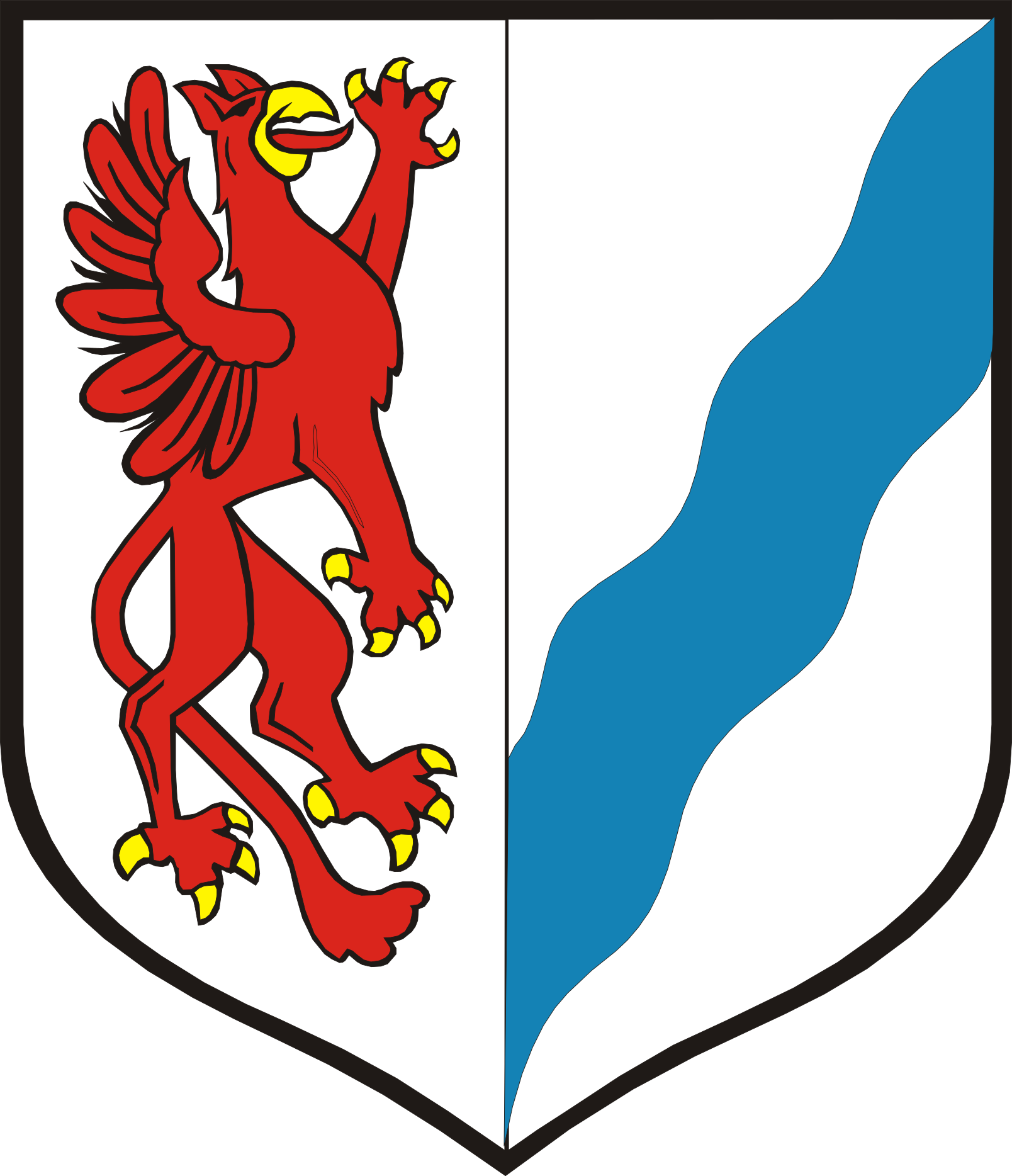
The Singing Skulls of Stargard


Today Stargard (Stargard in Pommern) is a town of red brick, tall towers and old walls. But long before any church stood there, when the place was only a small hamlet around a castle, a wonder took place, according to the old Pomeranian chronicles, that people still spoke of centuries later.


1 Tokens of victory
In those days the people of Stargard were still pagans. They worshipped their own gods and wanted nothing to do with the faith that came from beyond their borders. One day they went to war against the Christians. It was a hard battle, and the pagan Pomeranians gained the upper hand: they defeated their enemies and left many of them dead on the field.
Those who win want everyone to know it. So the victors carried the heads of the fallen Christians home with them. In their strong castle they set them up, high and in plain sight, as a token of the victory they had fought for. There the heads stayed, through rain and wind, through summer and winter. Crows perched on them, the sun bleached them, and anyone who entered the castle knew at once what had become of those who turned against Stargard.
After a while nobody looked at them any more. The skulls belonged to the castle like the rampart and the gate. They were the dead, and the dead are silent.
2 The holy night of 924
Then came the winter of the year 924, and with it the night when Christians elsewhere celebrated the birth of their Lord. In Stargard no one knew it was Christmas night, and no one would have cared. The fires in the castle burned low, the watchmen stood wrapped in their cloaks, and everyone else was asleep.
Suddenly a sound rang through the cold air. At first they thought it was the wind, but the wind does not sing words. These were voices, clear and loud, raising a song together: Gloria in altissimis Deo! Glory to God in the highest!
The watchmen looked up and froze. It was the heads of the slain Christians on their stakes. All at once they had opened their mouths, and they sang as if they stood in a church rather than in the castle of their enemies. They did not stop after a line or two. They sang the whole holy hymn, from the beginning to the very last word, and only when it was over did silence return.
Those who had woken stood outside in the dark and dared not say a word. The pagans of Stargard were utterly dismayed and terrified. What they had heard that night, no one could explain to them.
3 Two hundred years later
The strangest part of the whole story, say the old chroniclers, comes afterwards. Exactly two hundred years after that Christmas night, in the year 1124, the holy Bishop Otto came to Stargard and preached the Gospel there. What the dead had sung in 924, a living man now proclaimed in the same place. Whoever wishes may see in the wonder of the singing skulls a sign of what was to come.
Otto was Bishop of Bamberg, and his journey through Pomerania was carefully recorded by his companions. After his visit the first churches rose in the land, and Stargard too would later build one that towers far above its roofs.
Of the castle where the wonder happened, nothing remains. It stood, so tradition says, in the Kaholz near Stargard, and it was destroyed in the year 1295. Whoever walks there today hears only the wind in the trees. But the story of the dead who sang the Gloria on Christmas night has never quite fallen silent in Stargard.
- The Bell and the Snake of Stargard · Stargard
- The Writing on the Wall: the Fire of Stargard · Stargard
- The Holy Walnut Tree of Szczecin · Szczecin

Heimweer.be · Europees Erfgoed Bewaard

