
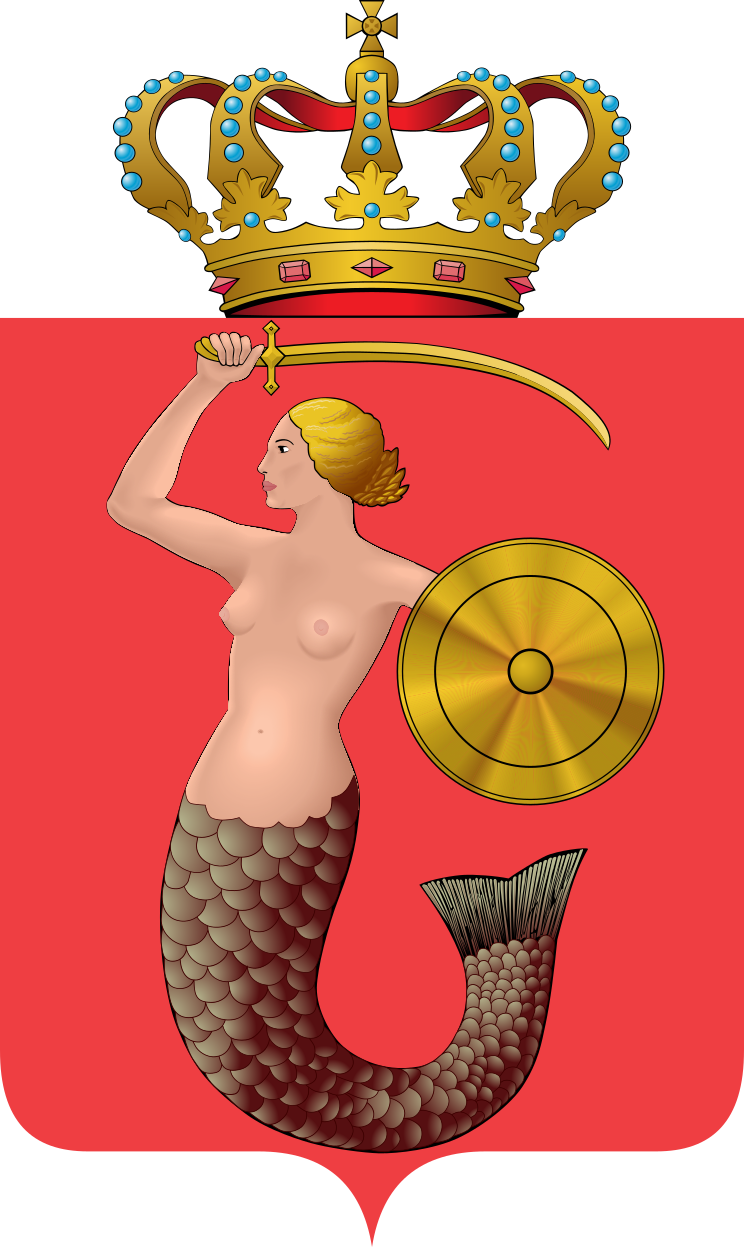
The White Lady of the Royal Castle


According to Artur Oppman, a White Lady appears in the Royal Castle of Warszawa (Warsaw), but not without reason. She came when the old kingdom fell, and she came back when Poland was free again. Oppman wrote his legend shortly after 1920 and let it end in his own time.


1 A king for times of peace
When Stanisław August Poniatowski ascended the throne, the people shouted their Vivat to him. He took the sword of the Báthorys in his hands, but they were not the hands of a warrior. His chest was not made for armour, nor his pale brow for a helmet. And just then the clouds gathered over the land and threatening winds began to blow.
Foreigners lay in wait for Poland, and the old strength of the fathers was waning. In the Commonwealth the Russian and the German did as they pleased; they brought in their troops and pushed the freedom of the nation into the grave. The Pole was to obey when they commanded; the law counted for nothing, for they had the power.
King Staś, as people called him, fostered the arts and cared for the education of the nation. He was a good king in times of peace. But the neighbours from east and west tore at the country like ravens, and there was no one to give the signal for battle. Poland now needed someone like Jan Sobieski. But the wicked neighbours knew only too well that King Jan slept in the cathedral of Kraków (Cracow), and that in the castle of Warszawa sat Stanisław August.
In his rich chambers the king weighed this and that and pondered. Perhaps he dreamed of glory, perhaps he was drawing plans for his new Łazienki. Meanwhile the enemies had already torn the fatherland apart twice. Then Tadeusz Kościuszko called on the nation to break its chains, and with him the best men of the land swore: I shall fall or I shall conquer.
2 The night of Praga
After the bold battle of Racławice in 1794, bloody defeats followed once more, and Suvorov led the armies of the Empress against Warszawa. On the blood-soaked ramparts of Praga, across the Wisła, the last and fiercest battle raged. The gunners died beside their cannons, the brave brotherhood of soldiers fell. Jakub Jasiński and Tomasz Korsak died there, men their country would never forget.
Suvorov fired from a hundred cannons, and the shot flew further and further, until it struck the Royal Castle. It seemed as though the walls were splitting, as though the earth itself trembled. The king sank into his chair and covered his face. Then she stood before him: the White Lady.
On her breast she bore a red wound, from which blood seeped like coral. Her bosom trembled, her eyes shone silver with tears, and she looked at the king with bitter reproach, while his heart failed him for fear. There, the apparition whispered, there the Russians make merry, there the enemies trample my sons. My land is bathed in blood, and in every heart dwells so much pain. Whose fault is this? Whose fault? Beat your breast, weak king. My people lie in chains today. How many years of penance will it take before the fatherland is free again?
3 At the castle window
Then Poland dragged itself through captivity, oppressed by three tyrants. The old swords rusted in their scabbards and there was no battlefield left for arms. But the nation would not be degraded. It hid its tears, prayed every day for the fight and waited for the dawn of freedom. And every rising for liberty, paid for with the blood of heroes, shortened the time of suffering and brought the longed-for dawn of rebirth closer.
And when it seemed that the sun of greatness was rising again, the lovely figure of the White Lady appeared once more at a window of the castle of Warszawa.
Castle Square was packed with people, and everyone was looking towards the Wisła, heads proudly raised, for the chains had shattered into dust. From the bridge came songs, old Polish battle songs, and past the castle marched the national army. Unit after unit, infantry and cavalry in close ranks, returned within the walls of the capital, back from the victorious war against the Bolsheviks of 1920.
Hearts beat in time, eyes grew moist, and a triumphal arch stood ready. And from the window of the castle the White Lady blessed the victorious regiments.
- The Golden Duck of Warsaw · Warszawa
- The Robbers of the New Town · Warszawa
- The Mermaid of Warsaw · Warszawa

Heimweer.be · Europees Erfgoed Bewaard

