
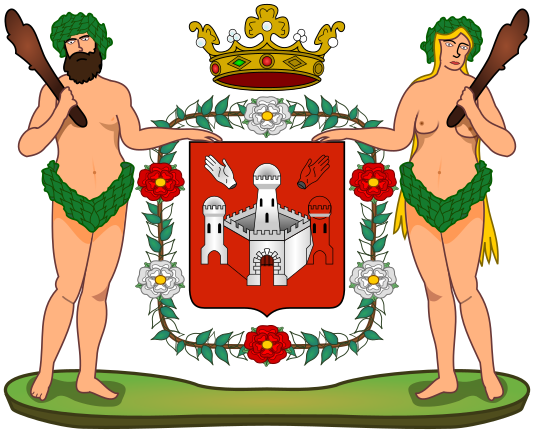
Lange Wapper


Lange Wapper is the best-known trickster spirit of Antwerp. He could change his shape: small as an infant, to worm his way in among women, or so tall that he looked over the roofs with the cathedral spire beside him. He truly harmed no one, but anyone drunk, unfaithful or boastful was liable to meet him.


1 The man who grew
Antwerp is a port, and ports have always known two kinds of night: that of the people who work and that of the people who stay out too long. For the second kind there was Lange Wapper.
He was no devil and no ghost but a trickster, and his one gift was that he could grow. He could make himself as small as a newborn, and that is how he was most often seen: as a foundling crying at a door, until the woman who took him in noticed that the thing at her breast was an old man with a beard. Just as easily he became so tall that he stood with one leg on either side of a street, and people walked beneath him without understanding why it had suddenly gone dark.
He came out of the water. With such figures it almost always is so: the Scheldt, the ditches, the channels that once ran through the city. Whoever came too near the water with too much beer in him had to deal with him.
This tale is for Supporters
You’ve read the opening. The full telling (every chapter, in four languages) is there for those who support Heimweer. One payment, lifetime access to all premium tales.
Become a Supporter- Nello and Patrasche · Antwerpen
- The Ghost Shirt of Zandvliet · Antwerpen
- The Oxhides · Antwerpen

Towns, guilds and burghers
Heimweer.be · Europees Erfgoed Bewaard

