
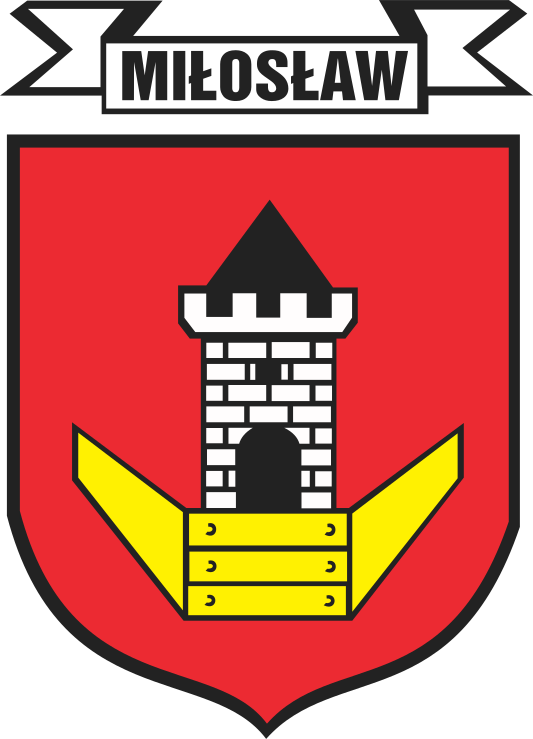
How Miłosław Escaped the Plague


Miłosław is a small town in Greater Poland (Wielkopolska), the flat country of fields, streams and villages around Poznań. In 1845 Lucjan Siemieński recorded there a short tale from the time of the great plagues, when people called the sickness morowe powietrze, the pestilent air. It tells how the town protected itself against that air with nothing more than a plough.


1 The pestilent air
It was in olden times, when the plague swept through Greater Poland and carried people off in their thousands. It came without drums or banners, unlike an enemy army. It came silently, on the wind, from village to village, and wherever it passed, the doors stayed shut and work in the fields fell still.
Every day travellers and pedlars brought worse news. First people heard of distant towns, then of villages they knew by name, and at last of places whose church tower could be seen on a clear day. In the churchyards they dug from morning till night. The scourge was drawing ever closer to Miłosław.
In the town and in the village of Kembłów close beside it, people no longer knew what to do. They prayed, they closed their shutters, they eyed every stranger who came along the road with dread. But no one knew how to halt a sickness that travels with the very air.
2 The old man’s counsel
Then an old man stepped forward, a pious man whose name the tale has not kept. He knew what to do, and his counsel was as simple as it was strange.
The town and the nearby village of Kembłów, he said, must be ploughed all the way round, in a single furrow enclosing both places. But not with just any plough or any beasts. The plough must be drawn by two calves that one cow had borne at a single birth, twins in other words. And those who drove the calves must be two farmhands who were twins themselves.
What the people thought of this counsel, the tale does not say. But in their need they did not ask for reasons. They did as the old man said.
3 The furrow round Miłosław
So the plough was yoked. The two young calves, alike in colour and build, walked side by side beneath the yoke, and the two brothers walked behind, one with the rein and the other with the goad. Slowly the team drew its course, along the fields, past the last houses, around Miłosław and around Kembłów. Behind the ploughshare the dark earth turned up, and the furrow closed like a ring around both places.
When the team came back to the point where it had set out, the work was done. The people looked at the closed furrow and waited.
And it happened as the old man had said. The plague raged on through the land and carried off people in all the villages round about. But it did not come to Miłosław. It halted at the furrow, as if it could not cross.
And so it will remain, say the people of Miłosław. The pestilent air has never come to them, and it will never visit them.
- The Devil of Gnieźninek and the Cap Full of Coins · Gniezno
- Lubrański, the Cruel Lord of Gosławice · Konin
- The Hunting Lord of Czerwona Wieś · Czerwona Wieś

Heimweer.be · Europees Erfgoed Bewaard

